





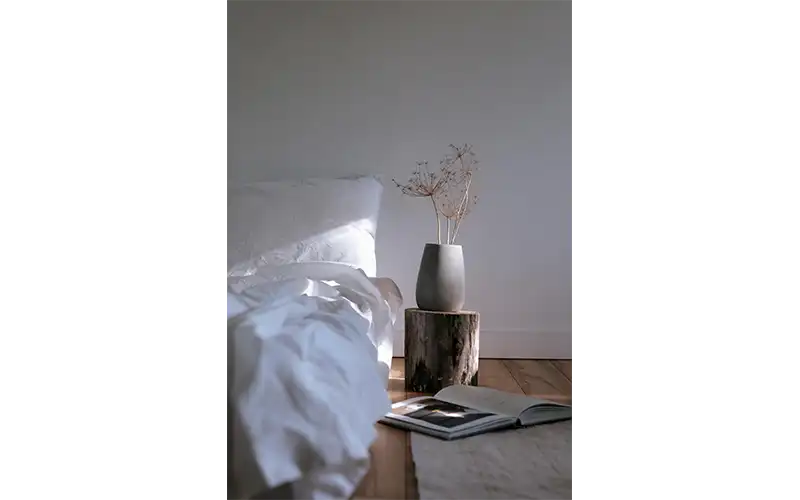

in this post we’ll discuss about most popular interior design styles.
Here are the all Interior design styles today we’ll go through.
For each interior style, there’s a dedicated blog post where we’ll be discussing about that particular style and how you can achieve the style for each room.
Explore this post and find your inner style. Once you find the style that resonates with you, dive into that particular post to learn how you can achieve that style and personalize the style to it uniquely yours.
Close your eyes and imagine walking into a room that instantly makes you feel at home. Is it a serene, minimalist space with clean lines and muted tones? Or perhaps a vibrant, eclectic sanctuary filled with global treasures and rich textures? Interior design is more than just arranging furniture—it’s a powerful form of personal storytelling, where every color, texture, and object speaks volumes about who we are and how we experience the world.
“Form Meets Function: The Elegant Simplicity of Modern Living Spaces”
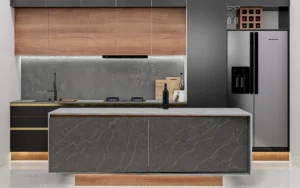
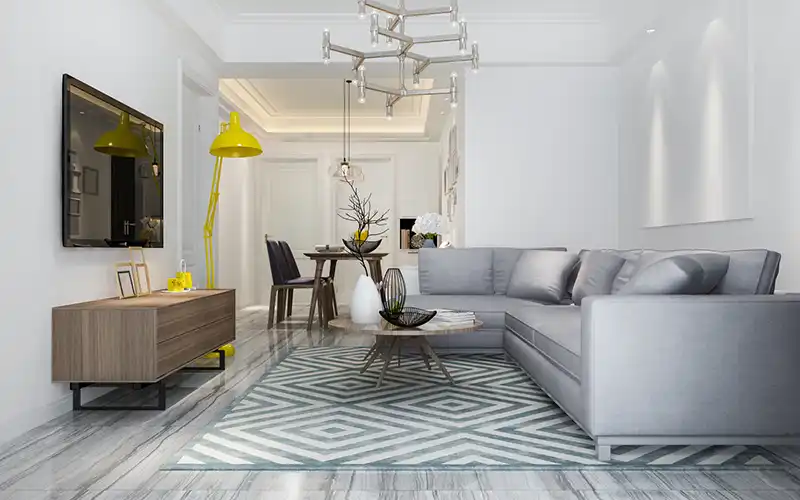
Modern interior design represents a celebration of simplicity, functionality, and clean lines that emerged in the early to mid-20th century. This style embraces the philosophy that form follows function, emphasizing uncluttered spaces with minimal ornamentation and a strong connection to geometric shapes.
Characterized by neutral color palettes, natural materials like wood and stone, and an abundance of natural light, modern design creates serene environments that feel spacious and unburdened by excessive decoration. The aesthetic prioritizes open floor plans, large windows, and furniture with sleek, straight lines that communicate a sense of efficiency and contemporary elegance.
“Right Now, Right Here: Decoding the Ever-Evolving Language of Contemporary Interiors”
Contemporary design is a fluid, ever-evolving style that reflects the current moment in design trends, constantly adapting and incorporating elements from various periods. Unlike static design approaches, contemporary interiors are dynamic, embracing current innovations, technology, and artistic expressions.
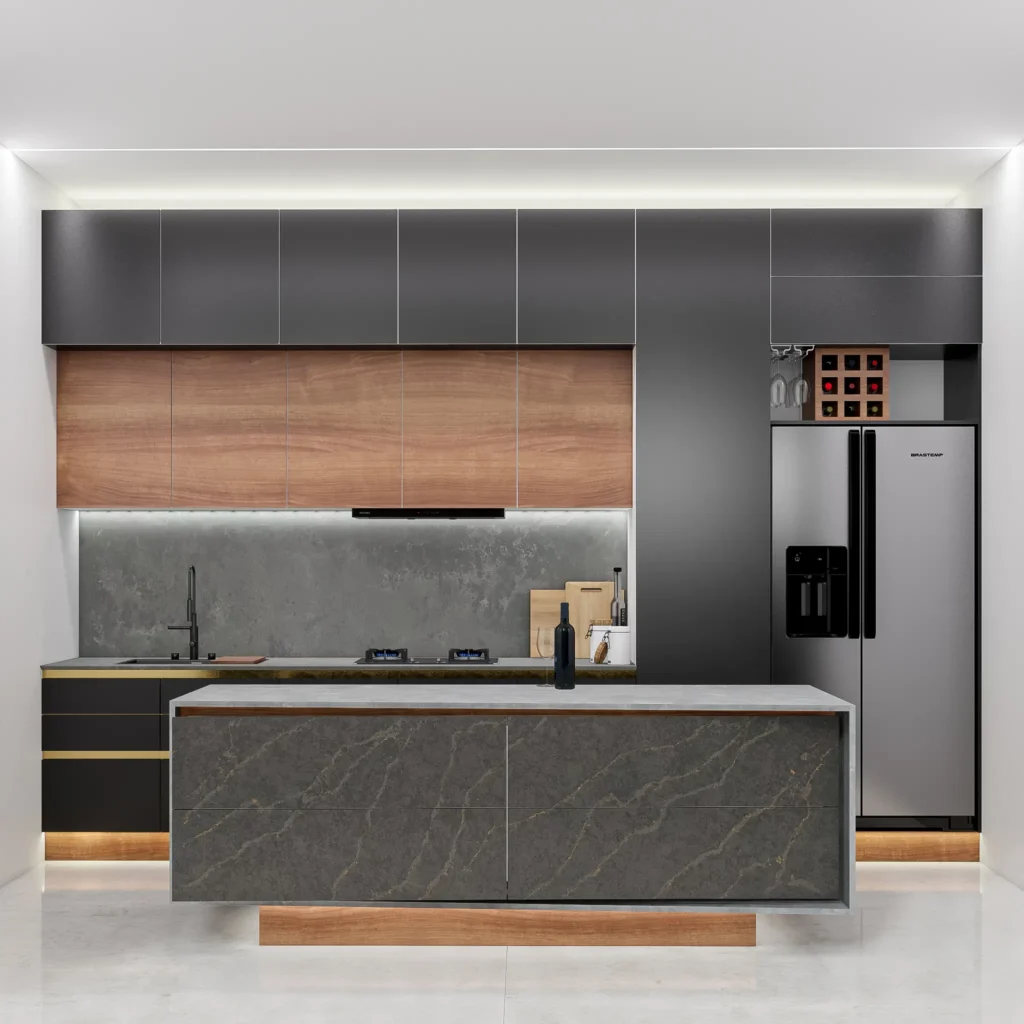
These spaces typically feature neutral color schemes with bold, unexpected accent colors, curved furniture lines, and an emphasis on comfort and simplicity. Materials like glass, steel, and concrete are prominently used, creating a sophisticated and cutting-edge atmosphere that feels both refined and forward-thinking. Contemporary design celebrates current artistic movements, technological advancements, and a global design perspective.
“Less is More: Mastering the Art of Intentional Living Through Minimalism”
Minimalist decor is a design philosophy rooted in the principle that “less is more,” focusing on creating serene, uncluttered spaces that promote tranquility and intentionality. This style strips away excess ornamentation, prioritizing essential elements and creating a sense of calm through carefully curated spaces.
Neutral color palettes dominated by whites, grays, and earth tones characterize minimalist interiors, with strategic pops of color used sparingly. Furniture pieces are selected for their functionality and clean lines, with an emphasis on quality over quantity. By eliminating visual noise and unnecessary elements, minimalist decor creates environments that feel spacious, peaceful, and elegantly simple.
“Timeless Elegance: Embracing the Rich Narratives of Classic European Design”
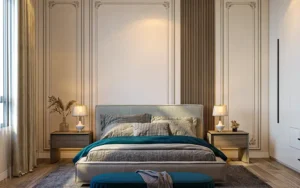
Traditional interior design draws inspiration from classic European decor, particularly 18th and 19th-century French and English styles. This approach celebrates symmetry, rich details, and timeless elegance, incorporating ornate furniture, intricate moldings, and sophisticated color palettes.
Wooden furniture with elaborate carvings, matched sets, and balanced arrangements define traditional spaces. Deep, warm colors like burgundy, forest green, and navy, alongside luxurious fabrics like velvet and silk, create a sense of refined comfort. Traditional interiors often feature antique pieces, classic artwork, and decorative elements that tell a story of heritage and timeless sophistication.
“Hygge Haven: Unveiling the Warm, Functional Magic of Nordic Interior Aesthetics”
Scandinavian design embodies the Nordic philosophy of “hygge,” creating warm, inviting spaces that prioritize comfort, functionality, and natural beauty. Characterized by minimalist aesthetics, light color palettes, and an abundance of natural light, this style emphasizes clean lines, organic materials, and seamless integration with nature.
White walls, light wood floors, and simple, functional furniture define Scandinavian interiors. The design approach focuses on creating cozy, livable spaces that feel both modern and timeless, incorporating elements like sheepskin throws, indoor plants, and subtle textural variations to add warmth and depth.
“Urban Poetry: Transforming Factory Remnants into Sophisticated Living Environments”
Industrial design draws inspiration from the raw, utilitarian aesthetic of factories and warehouses, transforming practical elements into sophisticated interior expressions. This style celebrates the beauty of unfinished surfaces, exposed structural elements, and mechanical components as decorative features.
Characterized by materials like exposed brick, metal piping, concrete floors, and salvaged machinery parts, industrial interiors create a bold, urban atmosphere that pays homage to architectural authenticity. Neutral color palettes of grays, blacks, and browns are typically punctuated with metallic accents, while vintage or repurposed furniture pieces add character and narrative to the space. The industrial style brilliantly transforms once-functional spaces into sophisticated living environments that tell stories of urban evolution and architectural innovation.
“Wild at Heart: Crafting Spaces That Celebrate Personal Story and Global Inspiration”
Bohemian interior design is a free-spirited, eclectic style that celebrates artistic expression, cultural diversity, and personal creativity. Characterized by rich, layered textures, vibrant colors, and an intentional sense of organized chaos, bohemian spaces reject rigid design rules in favor of individual storytelling.
Moroccan rugs, global textiles, mixed patterns, and an abundance of plants create dynamic, lived-in environments that feel deeply personal. Vintage furniture, global artifacts, and handcrafted elements are combined without strict adherence to matching principles, instead focusing on emotional connection and individual narrative. The bohemian style embraces imperfection, encourages self-expression, and creates spaces that feel simultaneously intimate and adventurous.
“Design Revolution: The Iconic Shapes and Innovative Spirits of Mid-Century Interiors”
Mid-century modern design emerged in the 1940s-1960s, characterized by clean lines, organic curves, and a seamless integration of form and function. This style celebrates innovative materials, geometric shapes, and a connection between indoor and outdoor spaces. Furniture pieces feature thin legs, organic curves, and a sense of lightness, often crafted from materials like molded plastic, fiberglass, and wood.
Iconic designers like Charles and Ray Eames championed this approach, creating pieces that were both aesthetically pleasing and highly functional. Color palettes range from muted neutrals to bold, unexpected combinations, with strategic pops of color adding visual interest. Mid-century modern design represents an optimistic era of design, emphasizing simplicity, technological innovation, and democratic approach to beautiful living spaces.
“Roots and Renewal: Creating Authentic Spaces Inspired by Natural Landscapes”
Rustic design draws inspiration from natural, rough-hewn environments, celebrating the raw beauty of natural materials and a connection to traditional craftsmanship. Characterized by wooden elements, stone textures, and a warm, earthy color palette, rustic interiors create spaces that feel grounded and authentic.
Reclaimed wood, wrought iron details, and natural stone surfaces are prominent features, evoking a sense of timeless comfort. Whether interpreted through a mountain lodge aesthetic or a more refined farmhouse approach, rustic design prioritizes organic textures, handcrafted elements, and a sense of connection to natural environments. The style creates inviting spaces that feel simultaneously robust and nurturing.
“Glamour Unbound: The Dramatic World of Art Deco’s Geometric Sophistication”
Art Deco interiors represent a celebration of glamour, luxury, and geometric sophistication that emerged in the 1920s and 1930s. Characterized by bold geometric patterns, rich materials, and dramatic visual statements, this style embodies the exuberance of the early 20th-century modern era. Geometric shapes, symmetrical designs, and luxurious materials like marble, brass, and exotic woods define Art Deco spaces.
Bold color combinations, metallic accents, and streamlined furniture create environments that feel simultaneously elegant and dramatic. Inspired by technological innovation and global design influences, Art Deco interiors represent a moment of artistic optimism and architectural elegance.
“Seaside Serenity: Bringing the Calm of Coastal Landscapes Into Your Home”
Coastal interior design captures the serene, relaxed essence of seaside living, translating the natural beauty of coastal environments into interior spaces. This style evokes a sense of tranquility through a light, airy color palette inspired by ocean, sand, and sky – predominantly whites, soft blues, and sandy neutrals.
Natural textures like weathered wood, woven materials, and organic fabrics create a sense of casual elegance. Large windows, abundant natural light, and maritime-inspired decorative elements such as shells, coral, and nautical artifacts enhance the connection to coastal landscapes. The design approach prioritizes creating spaces that feel open, breathable, and reminiscent of peaceful beach environments, offering a sense of escape and relaxation.
“Zen and the Art of Space: Minimalist Harmony in Japanese-Inspired Interiors”
Japanese interior design embodies a profound philosophy of harmony, minimalism, and deep respect for natural elements. Characterized by clean lines, uncluttered spaces, and a meditative approach to living environments, this style emphasizes balance and intentional simplicity.
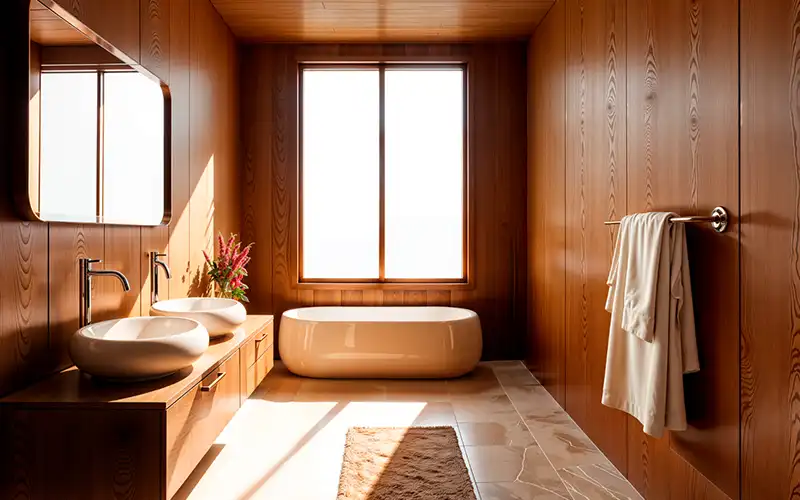
Natural materials like wood, bamboo, and stone are prominently featured, creating spaces that feel grounded and peaceful. Sliding shoji screens, low furniture, tatami mats, and strategic use of negative space define the aesthetic. The design approach prioritizes functionality, with each element carefully considered for its purpose and visual impact. Colors are typically muted and natural, promoting a sense of calm and introspection that reflects fundamental principles of Japanese design philosophy.
Launch Your Modular Interior Journey with Align Designs: Find the Best Plywood and Hardware Fittings in Our Curated List.
✔️Free 3D Designs
✔️Color selection
✔️45 Days Deliver
✔️15 years Guarantee
“Sun-Kissed Spaces: Capturing the Vibrant Spirit of Southern European Living”
Mediterranean interior design draws inspiration from the vibrant, sun-drenched regions of Southern Europe, particularly Spain, Italy, and Greece. This style celebrates warmth, natural beauty, and a relaxed approach to living through rich colors, textural materials, and organic architectural elements. Terracotta tiles, exposed wooden beams, arched doorways, and hand-painted ceramics are hallmark features.
Warm color palettes including deep blues, earthy oranges, and sunny yellows reflect the region’s landscape. Wrought iron details, natural stone surfaces, and abundant natural light create spaces that feel simultaneously elegant and inviting. The design approach prioritizes creating environments that feel connected to nature, celebrating craftsmanship and a leisurely lifestyle.
“Bridging Worlds: The Delicate Balance of Traditional and Contemporary Design”
Transitional interior design represents a sophisticated bridge between traditional and contemporary design styles, creating balanced, timeless environments that feel both classic and modern. This approach carefully blends ornate traditional elements with clean, contemporary lines, resulting in spaces that are neither too formal nor too casual.
Neutral color palettes provide a calm backdrop, while carefully selected furniture pieces combine curved traditional shapes with sleek modern silhouettes. The style emphasizes comfort, functionality, and visual harmony, allowing different design elements to coexist without competing. Transitional design offers flexibility and elegance, appealing to those who appreciate multiple design aesthetics.
“Your Story, Your Space: Mastering the Art of Intentional Design Fusion”
Eclectic interior design celebrates individual creativity and personal storytelling through a deliberately curated mix of styles, periods, and design elements. Unlike random combination, eclectic spaces are intentionally composed, combining diverse design influences with a cohesive underlying vision.
Bold colors, unexpected pattern combinations, and furniture from different eras create dynamic, personalized environments. The design approach requires a confident sense of visual balance, carefully mixing contrasting elements while maintaining an overarching aesthetic harmony. Eclectic interiors become visual narratives, reflecting the unique personality and experiences of their inhabitants.
“Rustic Refined: Where Nostalgic Charm Meets Contemporary Comfort”
Modern farmhouse interior design reimagines traditional rural aesthetics through a contemporary lens, creating warm, inviting spaces that blend rustic charm with clean, modern sensibilities. Characterized by neutral color palettes, natural textures, and a mix of vintage and contemporary elements, this style creates environments that feel both nostalgic and current.
Reclaimed wood, shiplap walls, industrial lighting fixtures, and simple, functional furniture define the approach. White walls provide a fresh backdrop for carefully curated natural and vintage elements, creating spaces that feel simultaneously sophisticated and comfortable.
“Vintage Whispers: The Romantic Art of Deliberately Distressed Elegance”
Shabby chic interior design celebrates a romantic, vintage-inspired aesthetic that combines delicate femininity with purposeful distressing. Soft, muted color palettes dominated by whites, pale pinks, and gentle blues create an ethereal environment.
Vintage furniture pieces are deliberately aged or distressed, creating a sense of lived-in elegance. Ornate details like ruffled fabrics, floral patterns, and antique accessories add layers of visual softness. The style balances delicate, romantic elements with a sense of casual, relaxed living, creating spaces that feel both elegant and approachable.
“Lights, Camera, Decor: Designing Spaces with Cinematic Luxury and Drama”
Hollywood Glam interior design embodies the luxurious, dramatic aesthetic of mid-20th century Hollywood cinema, creating spaces that are unapologetically opulent and theatrical.
Rich, saturated colors, metallic accents, and lavish textural elements define this bold design approach. Velvet upholstery, mirrored surfaces, crystal chandeliers, and dramatic furniture pieces create environments that feel simultaneously glamorous and sophisticated. The style celebrates excess, individuality, and a sense of cinematic drama, transforming living spaces into personal stages of expression.
“Cultural Canvases: Weaving Native and Colonial Narratives Through Design”
Southwestern interior design draws inspiration from the rich cultural heritage of Native American and Spanish colonial influences in the American Southwest. Characterized by warm, earthy color palettes including terracotta, deep oranges, and rich browns, this style celebrates regional craftsmanship and natural materials.
Handwoven textiles, intricate geometric patterns, leather furniture, and pottery create spaces that feel connected to landscape and cultural tradition. Natural materials like clay, wood, and stone are prominently featured, creating environments that honor the region’s diverse artistic and architectural history.
“Provençal Dreams: Crafting Spaces of Soft Elegance and Rural Romance”
French Country interior design captures the romantic, rustic elegance of rural French provincial regions. Soft, muted color palettes including lavender, soft blues, and warm creams create a gentle, inviting atmosphere.
Distressed wooden furniture, ornate yet comfortable seating, and delicate floral patterns define the style. Wrought iron details, natural stone surfaces, and carefully curated vintage accessories add layers of sophisticated charm. The design approach prioritizes creating spaces that feel simultaneously elegant and lived-in, celebrating craftsmanship and a relaxed approach to luxury.
“Mindful Spaces: Creating Environments of Tranquility and Intentional Living”
Asian Zen interior design embodies a philosophical approach to creating peaceful, minimalist living environments inspired by Buddhist principles of mindfulness and simplicity. Characterized by clean lines, natural materials, and strategic use of negative space, this style promotes inner calm and visual tranquility.
Neutral color palettes, natural wood elements, stone surfaces, and carefully placed indoor plants create environments that feel meditative and balanced. The design approach prioritizes functionality, removing unnecessary visual clutter and creating spaces that support mental clarity and spiritual reflection.
“East Meets North: The Perfect Fusion of Japanese Minimalism and Scandinavian Comfort”
Japandi interior design represents a thoughtful fusion of Japanese minimalism and Scandinavian design principles, creating spaces that are simultaneously serene, functional, and warmly inviting.
This hybrid style combines the clean lines of Japanese design with the cozy comfort of Scandinavian aesthetics. Neutral color palettes, natural materials, and carefully curated furniture pieces define the approach. Emphasis on craftsmanship, quality over quantity, and a deep respect for natural elements creates environments that feel both sophisticated and deeply comfortable.
“Beautiful Imperfection: Embracing the Poetry of Impermanence in Design”
Wabi-Sabi interior design is a profound Japanese aesthetic philosophy that celebrates imperfection, impermanence, and the beauty of natural aging. This approach transforms traditional design principles by embracing asymmetry, roughness, and subtle, understated elegance.
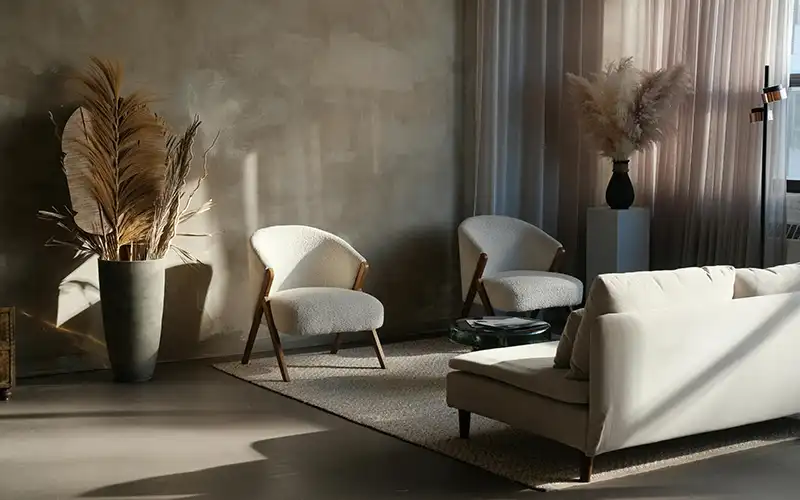
Natural materials with visible wear, handcrafted elements, and muted color palettes create spaces that feel deeply authentic and emotionally resonant. The style prioritizes finding beauty in simplicity, imperfection, and the natural process of transformation, creating environments that feel deeply personal and spiritually grounding.

Aligndesigns.in
Typically replies within 30 minutes
Can I opt for individual services tailored to my needs?
WhatsApp Us
🟢 Online | Privacy policy
WhatsApp us